
Inclusive Tennis Activity
Updated: Apr 13
Dimitris Alepliotis, ESAI EN ROI Youth Worker; Youth Leader
ESC30 Solidarity Project SOCIAL INCLUSION WEEK the power of sports
20/10/2025 to 19/10/2026 025-1-EL02-ESC30-SOL-000348134
Youth Group: Dimitris ALEPLIOTIS, Genovefa IOAKEIMIDOU, Panagiotis KELELIS, Zoi-Viktoria VATSI, Angelos ALEPLIOTIS
Promoting Social Inclusion through Sport
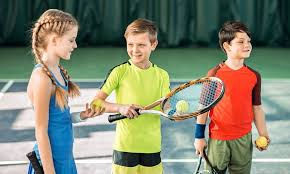
The implementation of the inclusive tennis activity within the framework of the ESOL – Social Inclusion through Sport programme represented a dynamic and impactful educational experience, demonstrating how structured physical activities can foster social inclusion, cooperation, and personal development among students. The activity was carried out in collaboration with the Rhodes Tennis Academy and involved the participation of students from mainstream education alongside students with special educational needs, within a supportive and inclusive sporting environment.
Tennis, as an adaptable and accessible sport, offers significant opportunities for the development of both motor and social skills. Within the context of this activity, students were introduced to the basic principles of the sport through appropriately designed exercises and games. Emphasis was placed not on competition or performance, but on participation, enjoyment, and collaboration, ensuring that all students could actively engage regardless of their abilities.
The structure of the activity was carefully organized to support gradual engagement and inclusion. Initially, students were welcomed to the χώρο and familiarized with the equipment and the basic rules of tennis. Through guided instruction, they explored fundamental skills such as holding the racket, coordinating movement, and interacting with the ball. The use of adapted equipment, simplified instructions, and visual cues ensured that the activities were accessible to all participants.
The main phase of the programme focused on practical engagement with tennis-based activities. Students participated in exercises aimed at improving coordination, balance, and motor control, often working in pairs or small groups. These collaborative tasks encouraged communication, mutual support, and shared success, reinforcing the social dimension of the activity. The inclusive nature of the exercises allowed students to experience achievement at their own pace, contributing to the enhancement of self-confidence and motivation.
In addition, structured play activities were introduced, where students practiced passing the ball, aiming, and responding to simple instructions. These activities were adapted according to the needs of each group, ensuring that both students with higher and lower functional levels could participate meaningfully. The supportive presence of educators and instructors played a crucial role in maintaining a positive and encouraging environment.
The activity concluded with a reflection phase, during which students were given the opportunity to express their feelings and experiences. This process revealed increased levels of engagement, enjoyment, and social interaction among participants, highlighting the positive impact of the activity on both emotional and social development.
Overall, the inclusive tennis activity demonstrated that sport can act as a powerful medium for inclusion when it is thoughtfully designed and pedagogically grounded. Within the ESOL programme, tennis was not approached merely as a physical activity, but as a means of building relationships, enhancing communication, and promoting equality among students.
The collaboration with the Rhodes Tennis Academy contributed significantly to the success of the initiative, offering expertise, appropriate infrastructure, and a supportive framework for implementation. This partnership exemplifies how cooperation between educational institutions and local organizations can lead to meaningful and sustainable inclusive practices.
In conclusion, the activity reaffirmed the central aim of the ESOL programme: to create opportunities where all students, regardless of their abilities, can participate, interact, and thrive through sport, fostering a culture of inclusion, respect, and shared experience


Comments